
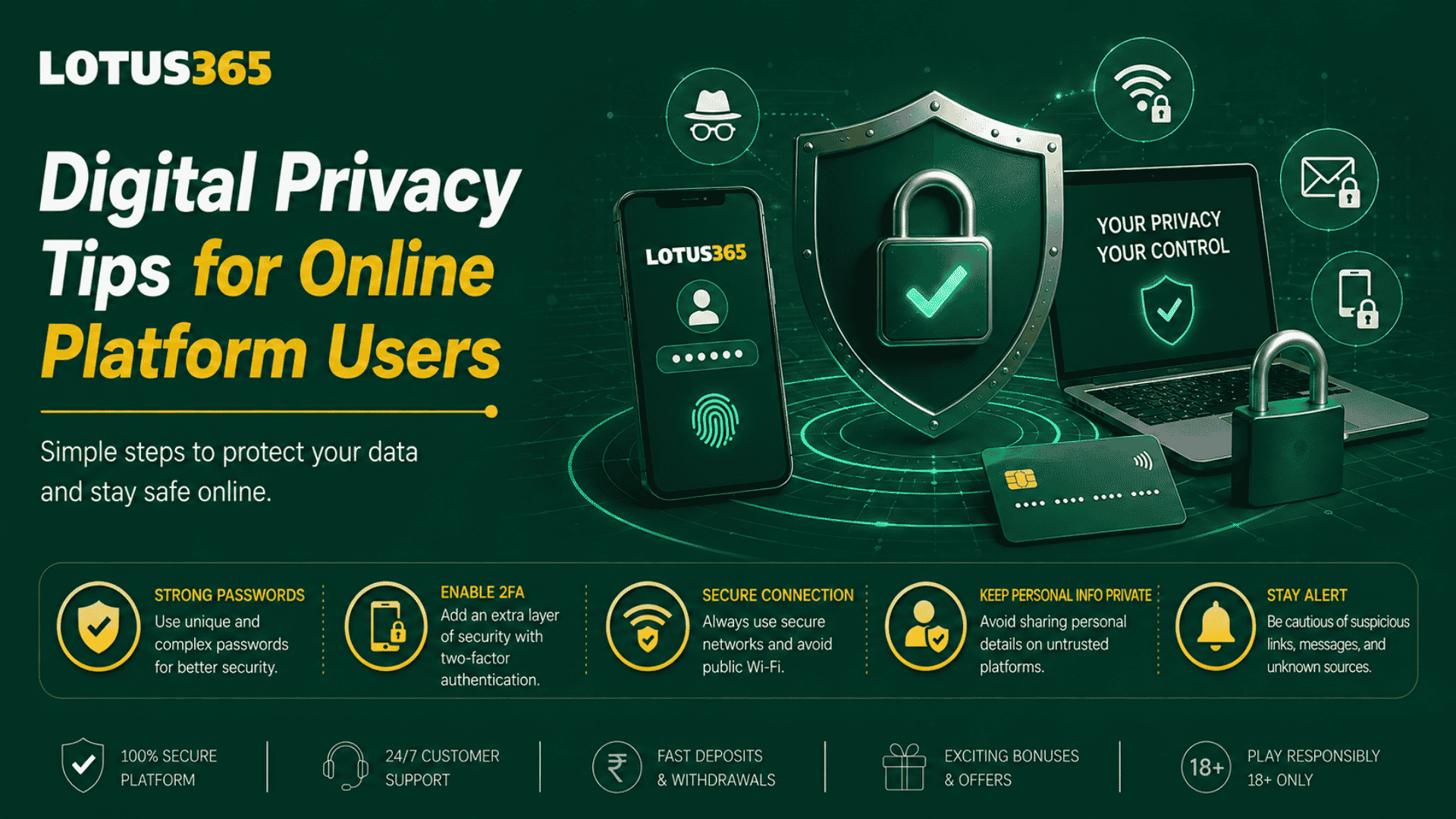
The internet is now a big part of people’s lives. People use the internet for communication, shopping, banking, entertainment, learning, working and many other purposes. The convenience that comes with using these websites is that they hold a lot of personal information in them. This includes names, email addresses, phone numbers, physical locations, pictures, browser history and payment information.
Digital Privacy Tips can be used to help people use the internet better and take precautions with the information that they share. These tips can be followed easily since they don’t require any complicated knowledge.
Why Digital Privacy Tips Matters
The personal information someone has can say a lot about them. For instance, a social media profile can reveal the areas where a person comes from, works, studies or relaxes. One’s online accounts may contain private information such as conversations, financial details, photos, documents, and other sensitive information.
Where there is an overload of such information, criminals may use it to carry out fraud, phishing, identity theft or unauthorised access to accounts. Companies and other entities online may collect such information for advertising, analysis and personalisation purposes.
This is why Digital Privacy Tips must become a daily affair when browsing the web.
Use Strong and Different Passwords
One of the easiest ways to improve account security is to use a different password for every important account. Reusing one password across several websites creates a serious risk. If one service experiences a data breach, attackers may try the same password on other accounts. Lotus cricket betting app – A term that is mostly used when it comes to information on cricket.
Passwords should always be complex and long. One should not include any personal information, including date of birth, name, telephone numbers, easy words and so forth. It is possible to create a password using password manager software, which will save your password.
If you want to protect sensitive information, for example, email accounts, bank accounts and cloud storage, then your password should be very strong.
Turn On Multi-Factor Authentication
Passwords alone might not always be sufficient. The multi-factor authentication process entails adding an extra level of security that requires users to provide another form of authentication after providing their passwords.
The form of this verification will depend on the service being used. The best choice for verification would be the use of an authenticator app rather than SMS, which can easily be attacked via SIM attacks.
Among useful Online Account Security Tips, enabling multi-factor authentication is one of the simplest and most effective steps.
Review App Permissions
Many apps ask for access to information or features on a phone. Sometimes certain permissions are required by an application for its function and sometimes certain permissions are not required. lotus game 365 login — Refers to the process of accessing a lotus365 platform user account through the platform.
Always review your permissions and find out which ones are required and which ones are not. For instance, some permissions that are required for editing an image from selected images might not be required for continuous location access or for access to contacts.
Check for permissions related to location, camera, microphone, contacts, images, files, and notifications.
Check Your Social Media Privacy
Social networking accounts usually have lots of personal data. Public postings can show travel schedules, family life, workplace, interests, and routine activities. Lotus id login — A term commonly used to refer to a user account or identification used to access an online platform.
Check who has access to your postings, profiles, contacts, friends’ lists, and photos. Think of restricting sensitive information only to your close people. Another thing to do is to check how search engines will be able to show some parts of your profile. Limiting unnecessary public data is one of the essential aspects of Online Privacy Tips since the information that was posted before will stay publicly available for a long time.
Be Careful About Links and Attachments
Phishing remains a common way for criminals to steal passwords and personal information. A message may appear to come from a bank, delivery company, workplace, friend, or familiar online service.
Do not automatically trust a message because it looks professional. Check the sender, examine the web address, and avoid opening unexpected attachments. If a message asks you to log in urgently, visit the official website directly instead of clicking the supplied link.
These simple habits are among the most practical Safe Internet Practices for everyday users.
Limit Personal Information You Share
All websites do not require all your personal information. While making your account, think about the information that is really required by the website.
Do not reveal sensitive information like your complete address, identification numbers, financial details, travel arrangements, or even security question answers in public.
Think twice before participating in quizzes or survey tests on any online platform that asks for personal details from you. The lesser information you share with them, the better it is for you.
Keep Your Devices Updated
Security patches are contained in operating system and application updates. Not updating your software will expose your system to any security flaw that exists.
Enable automatic updates where possible, and always update your smartphone, computer, web browser, software applications, and security software. Uninstall software that you do not use.
Software updates are the most basic element of Digital Privacy Tips, but it is essential since attackers target old software.
Be Careful on Public Wi-Fi
Using the Internet on public Wi-Fi may be beneficial at airports, hotels, coffee shops, libraries, and elsewhere. However, it is necessary to refrain from trusting each public Wi-Fi network fully.
Try not to conduct sensitive tasks while being connected to any network until you are certain that the network is secure. Do not connect to suspicious Wi-Fi networks with company-like names.
If possible, conduct your sensitive business on your phone and ensure that you visit only secure sites. Always heed the alerts from your browser about risky sites.
Search for Your Own Information
All you need to do is perform a basic internet search for your own name, and it will bring up any information that you had previously forgotten. lotus365 contact number — A search term users may use to find customer support or contact information for the platform.
There are times when there will be information on a website which ought not to be made public. It may be worth checking if the website has any removal options available. You may want to check old social media websites that you have long since abandoned.
It will give you insight into your personal digital footprint.
Think Before Posting
Once something is shared online, controlling its path is often challenging. Screenshots, downloads, reuploads, and archiving can allow information to remain accessible even once the original post has been deleted. IPL betting ID provider — A term referring to a service that provides user IDs for online IPL betting platforms; users should verify legality, licensing, and safety before using such services.
When sharing a photograph, location, document, or personal account, one must think about whether one would want it to get into the wrong hands.
This brief amount of time spent thinking can save countless headaches down the line.
Make Privacy a Regular Habit
Online privacy is not a one-time task. New applications are installed, accounts are created, devices are replaced, and privacy policies change over time.
Set aside a few minutes every few months to review passwords, account activity, app permissions, connected devices, social media settings, and unused accounts.
Following practical Digital Privacy Tips regularly is much easier than trying to repair your privacy after personal information has already been exposed.
Final Thoughts
Privacy protection on the Internet does not have to be complicated. Passwords, multi-factor authentication, secure sharing, regular checking of permissions, updating, and intelligent web surfing are a good way to begin.
The secret lies in being consistent. It is better to integrate privacy checking into day-to-day activities than react to a particular security problem. Adhering to some basic Digital Privacy Tips makes sure that people have fun while surfing the Internet.
Frequently Asked Questions
1. What are Digital Privacy Tips?
Digital privacy tips refer to simple strategies that one can apply to assist them to manage their personal information effectively and make sure that their accounts are secure.
2. What are the Best Digital Privacy Tips for passwords?
Individuals need to use long and unique passwords for all their accounts and keep them secure using an encrypted password manager.
3. Why are Online Privacy Tips Important?
Online privacy tips are important since they help individuals realise the extent of their information online and minimise the chances of misuse of their personal information.
4. How can I Protect Personal Data Online?
To protect personal information, individuals must stop unnecessary sharing of personal information, use complex passwords, use multi-factor authentication and check their privacy settings.
5. What are useful Online Account Security Tips?
Unique passwords, multi-factor authentication, account activity checks and updating recovery information are some of the useful online account security tips.
6. What is the role of Safe Internet Practices in privacy protection?
Safe Internet Practices such as verifying links, not downloading anything suspicious and only surfing on safe websites can help to protect one from most common security risks.
7. Which Digital Privacy Tips should Beginners learn?
The best digital privacy tips for beginners include good passwords, multi-factor authentication, updating software, minimising personal information and privacy checks.